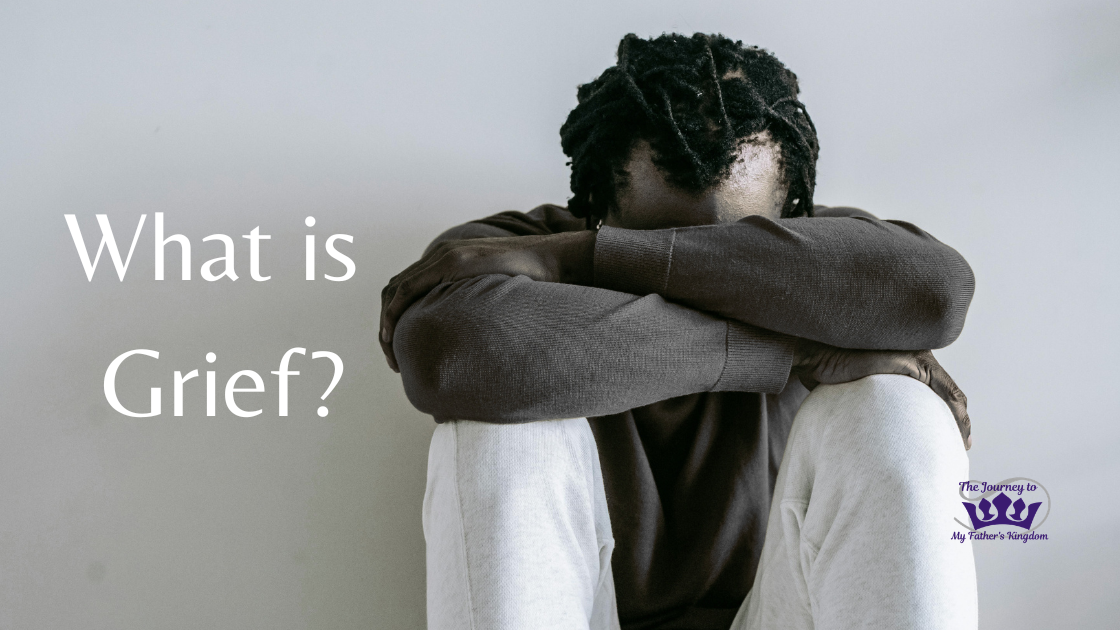
My Nana passed away a couple weeks before I graduated high school in the spring of 2001. Aside from losing a pet, this was my first experience with real grief. She and I were quite close and her death came fast. I still miss her all these years later.
For a long time, like many people, I only associated grief with death, but life experience started to teach me something different. In 2009 I had a falling out with my best friend from college. I grieved that loss for many years. Then, after my postpartum experience, I faced grief on many levels. I grieved the loss of time with my son. I grieved the scars on my body. I grieved the inability to have more children. I grieved my bipolar diagnosis.
Grief comes in many forms:
● The loss of a relationship with a friend, family member, or spouse
● Miscarriage
● The loss of a dream, such as having children, a career, or getting married
● A betrayal or loss of trust in someone you love, such as friends, family or a spouse
● The loss of a home, such as through a fire or natural disaster, or just by moving
● Moving to a new city, leaving family and friends
● A hard medical diagnosis, whether personal or that of a family member or friend–this includes a mental illness diagnosis
● Having a child with special needs, whether developmental, medical, or both
● Having a prodigal child or a child who is making poor decisions that don’t align with the way you raised them
● Giving up a child for adoption
● Permanent physical deformities, whether from an accident or surgery
● Estrangement from a family member
● Loss of a pet
● Consequences of poor choices
How to Cope with Grief
Grief looks different for everyone. There are the well-known stages of grief–denial, anger, bargaining, depression, and acceptance–but how those things manifest in our lives can look very different. Some people, like me, will grieve openly while others keep to themselves. The important thing is knowing how to cope in a healthy way.
Turn to God
He heals the brokenhearted
and binds up their wounds.
He determines the number of the stars;
he gives to all of them their names.
Psalm 147:3-4(ESV)
God is the ultimate healer and comforter. In times of despair, you may feel like there is no hope. God may feel distant. But we need to lean on what we know about who God is rather than the feelings we are experiencing. Satan would like none other than for us to think that God has forgotten us, but God knit you together in your mother’s womb (Psalm 139:13). He knows every hair on your head (Matthew 10:30). By surrendering our sorrow to God, we are acknowledging that he is greater than our pain.
The most obvious way to turn to God is through prayer and petition. God knows what is on our heart, but the act of engaging with him in prayer is therapeutic to our spirit. Prayer is agreement with God that, yes, this hurts, and shows trust that you know he can comfort you in that pain.
The harder way to turn to God when you are drenched in suffering is by praising him and sharing your gratitude. Asking God to show you the ways you can praise him in the pain helps to see his hand in your healing. Finding things to be grateful for despite your heartbreak lifts your spirits.
When we worship God, whether through song, or prayer or any other means, we are inviting him into our sacred space and allowing him to surround us with his love. As we worship, we can cry out to God or we can praise him for his greatness. It’s the sitting in his presence that soothes our hurting heart. We don’t have to go to church to worship God. We can worship just about anywhere. Many people find that getting out in God’s creation helps them to commune with him.
Turn to Others
While keeping to oneself may be your preference when going through the unthinkable, God did not intend for us to do life alone. Starting from the Garden of Eden where God made Eve so that Adam didn’t have to be alone, God has made it clear that he made us for community. Proverbs 27:17 (ESV) says, “Iron sharpens iron, and one man sharpens another.” Galatians 6:6 urges us to carry one another’s burdens. Matthew reminds us “For where two or three are gathered in my name, there am I among them.” (Matthew 18:20). So while opening up that hurtful place to another may be difficult, God intended for us to do so.
The first place to find support should be your friends and family. They are closest to you, so they are the ones that are going to be that constant support. Depending on how deeply you are grieving, you might also consider counseling or finding a support group related to your grief.
Turn to Personal Expression
When dealing with heartache, it’s important to process in multiple ways. For me, writing is my go-to method for exploring my emotions. I also like to go for a run to sort through my thoughts and take some dedicated time to pray to God. For some people, personal expression might involve exploring some form of art. I don’t think it matters how good of a writer, artist, or athlete you are as long as you give yourself space to sort through your emotions.
—
The scars of grief are constant. They don’t get smaller as time goes on, but they will lighten in color and you’ll adapt to them being a part of your life. As you move past the time of loss, you will find ways to overcome and the pain won’t feel so vibrant anymore. While something may trigger the heartache, if you grieve well, you will develop healthy coping strategies for moving forward.
Here’s a poem I wrote about my grief many years ago:
Grieving My Scars
I’m grieving my scars
Both inside and out,
I’m grieving the losses
That created self-doubt.
Will I ever be beautiful?
Will I ever be sane?
Will I ever be happy?
Will I ever be free?
Free from my cosmetic deformities
Of my mental agony
Of my relational disasters
I want to be free.
And be me.
I’m grieving my scars
Both inside and out,
I’m grieving the losses
That created self-doubt.
Will I ever get past the past
That haunts me?
Will I ever evolve to
A time where disaster ends
And my life begins?
Will I ever stand before a
360º mirror in
Awe of my beauty?
Will I ever embrace the
scars that reside from
the traumas of physical and
emotional pain?
Will I ever embrace my husband
My son
My learnings from
Desiring so long?
Myself?
Who I am
Regardless of who I was?
I’m grieving my scars
Both inside and out,
I’m grieving the losses
That created self-doubt.
Bethany Marinelli is an author and speaker out of Orlando, Florida. She also supports her husband, Andrew, in his auto repair business and homeschools their son, Arthur.
If you enjoyed this article, please subscribe to this blog below and get a new post in your inbox monthly!